
Understanding the psychology of risk in gambling decisions
The Nature of Risk in Gambling
Risk is an intrinsic part of the gambling experience. Every decision made at a casino or in an online game is steeped in uncertainty, which can elicit various psychological responses. Gamblers often weigh potential rewards against the possibility of loss, and this calculation can significantly influence their betting behavior. The thrill of risk is not merely about the stakes; it also encompasses the emotional highs and lows associated with winning and losing. Many people enjoy the thrill found in the best online poker games available today, highlighting the enduring appeal of casinos.
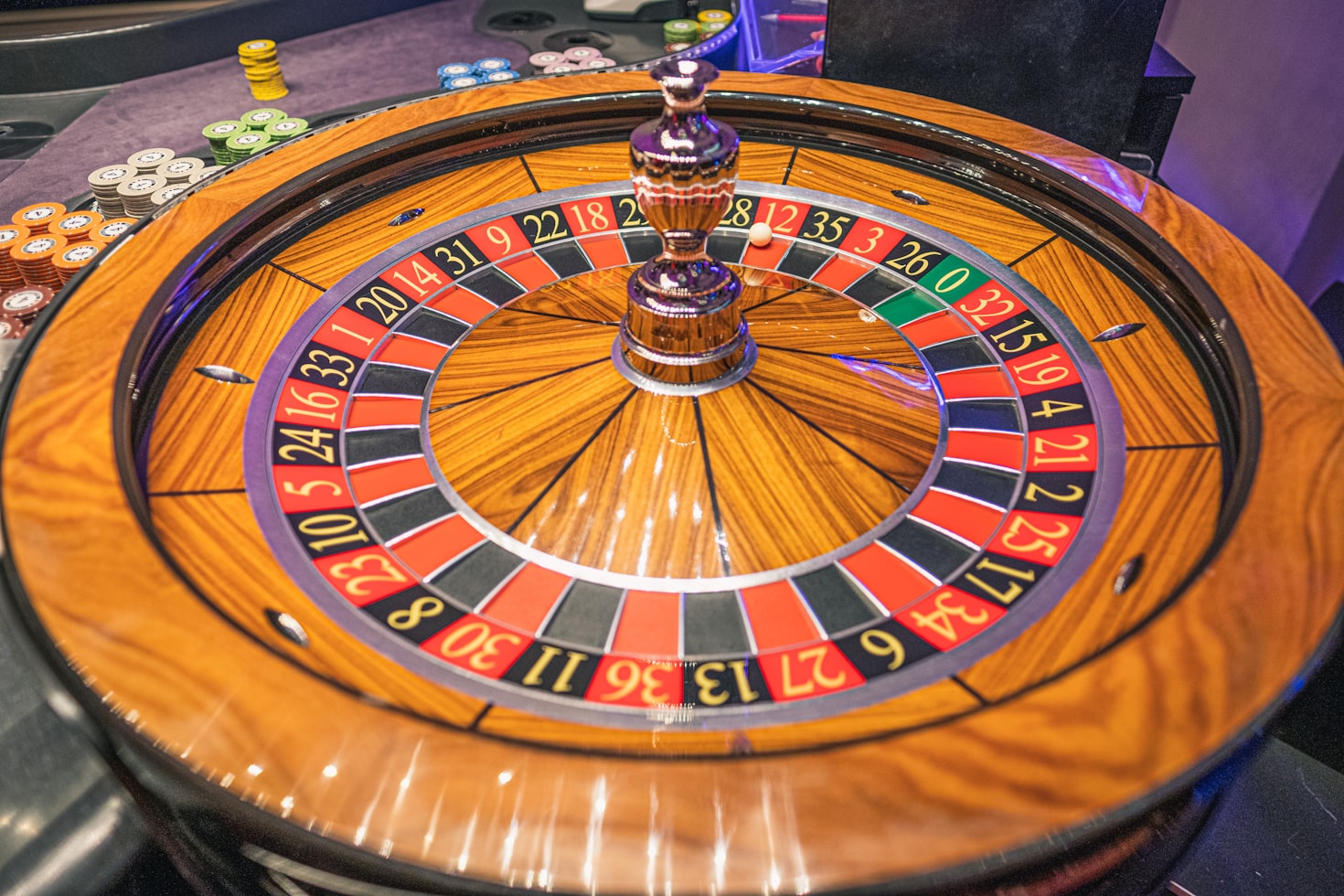
This psychological interplay of risk leads to what is known as risk perception. Individuals vary in their sensitivity to risk, and some may embrace higher stakes while others prefer safer options. Understanding these differences is crucial for both players and casino operators, as it helps in tailoring experiences that either amplify excitement or provide a more controlled environment.
The Role of Cognitive Biases
Cognitive biases play a significant role in gambling decisions. These mental shortcuts can distort judgment and lead to irrational behaviors. For instance, the illusion of control is a common bias where players believe they can influence the outcome of a game, despite it being purely chance-based. This often results in overconfidence and increased risk-taking, as individuals feel empowered by their perceived abilities.
The Emotional Factors at Play
Emotions profoundly influence gambling behavior. The euphoric feeling associated with winning can create a desire for repeat experiences, often overshadowing the risks involved. Conversely, losses can evoke feelings of frustration or anger, leading to a cycle of chasing losses that further exacerbates financial risk. This emotional rollercoaster can cloud judgment and result in decisions that prioritize immediate gratification over long-term consequences.
The Impact of Environment and Marketing
The environment in which gambling occurs significantly affects risk perception and decision-making. Casinos are designed to create an atmosphere of excitement, with bright lights, sounds, and the presence of other players. This sensory overload can lead to impulsive decisions and increased risk-taking, as the environment encourages a sense of urgency and thrill.

Your Path to Understanding Gambling Psychology
For those seeking to deepen their understanding of gambling psychology, our website offers a wealth of resources and insights. We delve into the various psychological factors that impact decision-making in gambling, helping you navigate the intricate dynamics of risk and reward. From expert articles to interactive tools, we provide valuable information that can assist you in making more informed gambling choices.