
Understanding the psychology behind gambling what drives players to bet
The Thrill of Risk and Reward
One of the most compelling aspects of gambling is the excitement that comes from taking risks. Players often feel an adrenaline rush when they place a bet, as the potential for high rewards sparks anticipation. This thrill can overshadow the inherent risks involved, leading players to chase the exhilarating feeling of winning. For instance, some people might seek out non gamstop casinos in search of more thrilling experiences. The psychological response to this risk-taking behavior is deeply rooted in our brain’s reward system, which releases dopamine, a neurotransmitter associated with pleasure and motivation.
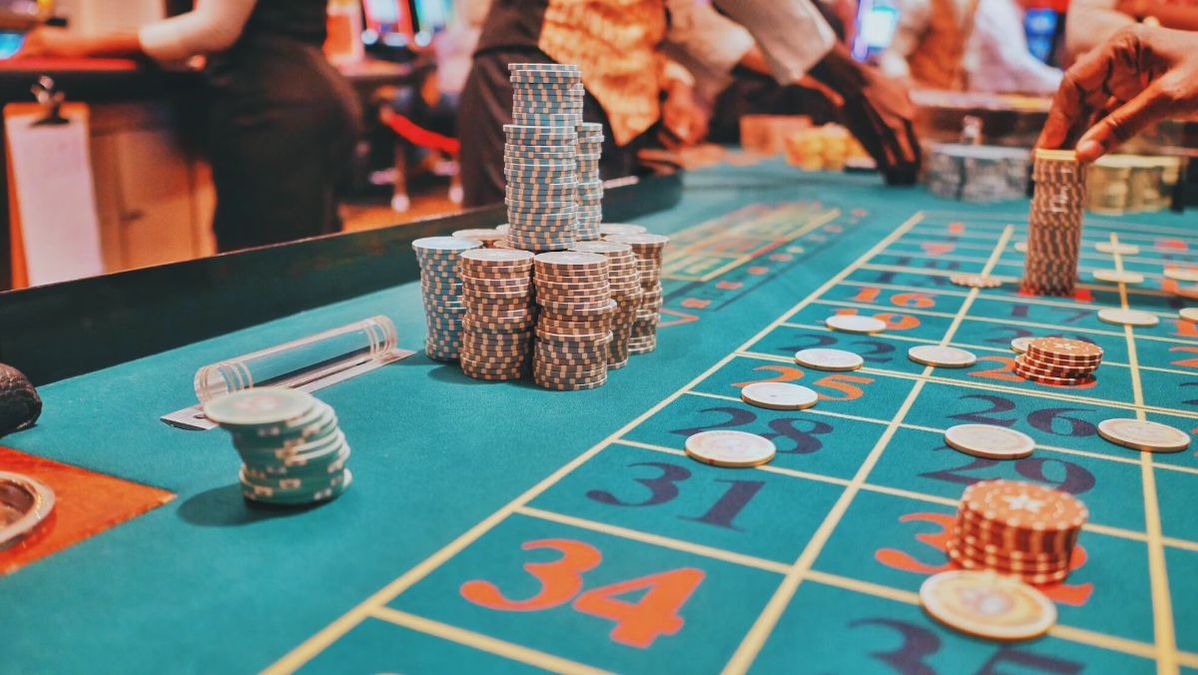
This surge of dopamine can create a cycle where players continue to seek out that high. The prospect of winning—whether it’s a jackpot at a casino or a favorable bet in sports—can trigger feelings of elation that motivate further gambling. Understanding this cycle is crucial for recognizing why individuals may find themselves caught in a web of betting, often despite the consequences.
The Role of Cognitive Biases
Cognitive biases play a significant role in gambling behavior. Many players are prone to the illusion of control, believing they can influence the outcome of games of chance through skill or strategy. This misconception often leads individuals to make irrational decisions, such as betting more than they can afford, because they overestimate their chances of winning.
Moreover, the gambler’s fallacy—the belief that past events affect future outcomes in random situations—can further skew a player’s judgment. This psychological trap can create a cycle of chasing losses, where players continue betting in hopes of winning back what they have lost, despite the odds remaining unchanged.
The Social Aspect of Gambling
Gambling is not just an individual pursuit; it often has a social component that attracts players. Many people enjoy the communal atmosphere found in casinos or betting environments, where shared experiences enhance the excitement. Social interactions can reinforce gambling behaviors, as people may feel encouraged to bet by friends or peers.
Additionally, social proof can play a significant role in motivating individuals to gamble. If someone observes others enjoying success or excitement from betting, they may feel compelled to join in. This social aspect can create a sense of belonging and shared experience that makes gambling even more appealing.
Emotional Escape and Entertainment
For many individuals, gambling serves as an escape from daily stressors and emotional burdens. The immersive nature of gambling environments can provide a temporary reprieve, allowing players to focus solely on the thrill of the game. This emotional escape can be particularly appealing during challenging times, where the allure of distraction becomes a primary motivator for betting.
Furthermore, the entertainment value of gambling cannot be understated. Many players view it as a fun and engaging activity, similar to other forms of entertainment like watching movies or attending concerts. This perception can downplay the risks involved, leading players to underestimate the potential for negative outcomes and overemphasize the enjoyment derived from the experience.

Your Trusted Resource for Gambling Insights
At our website, we understand the complexities of gambling behavior and aim to provide valuable insights for players and enthusiasts alike. We prioritize a secure and user-friendly experience, ensuring that our visitors have access to the information they need to make informed decisions regarding their gambling activities.
Whether you are a seasoned gambler or exploring the world of betting for the first time, we offer resources and guidance to navigate the psychological aspects of gambling. Your security is our top concern, and we strive to create a safe online environment that fosters responsible gambling practices while enhancing your understanding of this captivating subject.