
Understanding the psychology behind gambling behavior What drives the thrill
The Allure of Risk and Reward
One of the most compelling aspects of gambling behavior is the allure of risk and reward. Human beings are naturally drawn to situations that involve uncertainty, and gambling perfectly encapsulates this dynamic. The potential for a large reward often overshadows the risk of losing money, creating a thrill that many find irresistible. This tension between risk and reward stimulates the brain’s pleasure centers, leading to feelings of excitement and anticipation. Many people explore various options, including canadian online casinos, to satisfy their curiosity about this thrilling experience.

The excitement of not knowing whether one will win or lose taps into fundamental psychological mechanisms. The brain releases dopamine, a neurotransmitter associated with pleasure, during moments of uncertainty. This biochemical reaction reinforces the gambling behavior, making the experience pleasurable and encouraging individuals to return for more, often despite previous losses.
The Role of Cognitive Biases
Cognitive biases play a significant role in gambling behavior, influencing how individuals perceive risks and outcomes. For instance, the illusion of control can lead gamblers to believe they can influence the outcome of a game of chance, such as poker or slot machines. This false sense of agency can encourage continued play, as individuals feel they have a stake in the outcome, even when the odds are overwhelmingly against them.
Additionally, the gambler’s fallacy, where individuals believe that past events influence future outcomes, can further entrench this behavior. For example, someone may think that after a series of losses, a win is “due,” leading to more significant and riskier bets. These cognitive biases can create a cycle of gambling that is difficult to break, making it essential to understand these mental shortcuts for responsible gambling practices.
The Social Aspects of Gambling
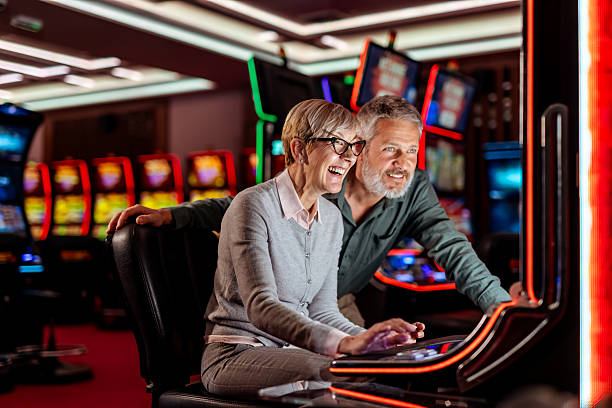
The social environment surrounding gambling also contributes to its appeal. Casinos and gambling venues are designed to be vibrant and stimulating, providing an atmosphere that encourages interaction and competition among players. Social reinforcement, such as cheering from friends or fellow gamblers, can amplify the excitement and make gambling feel more rewarding.
Furthermore, shared experiences in gambling, such as group outings or watching a game together, create a sense of community. These social interactions can lead to increased participation in gambling activities, as individuals seek to connect with others. The psychological impact of these social dynamics can significantly influence gambling behavior, making it a communal experience rather than just an individual activity.
Addiction and Escalation of Behavior
The thrill associated with gambling can lead some individuals to develop addictive behaviors. As the initial excitement wears off, gamblers may chase the high they once felt, leading to increased betting and riskier behavior. This escalation can have detrimental effects on their finances, relationships, and overall well-being.
Understanding the psychology behind gambling addiction is crucial for developing effective treatment and prevention strategies. Many individuals may not recognize their behavior as problematic until significant consequences arise. Awareness of the psychological mechanisms at play can help individuals seek support and interventions before the situation escalates further.
Your Gateway to Understanding Gambling Behavior
At torontosversion.com, we aim to provide insightful and engaging content that delves into various topics, including gambling behavior and its psychological underpinnings. Our goal is to inform and empower readers, whether they are curious about gambling trends or seeking to understand the underlying reasons behind their own or others’ gambling behaviors.
By exploring the psychology of gambling, we hope to foster a deeper understanding of this complex behavior and promote responsible gambling practices within the community. Stay connected with us for more valuable insights and resources that enhance your knowledge and awareness.