
Understanding gambling addiction Signs, risks, and recovery strategies
What is Gambling Addiction?
Gambling addiction, also known as compulsive gambling or gambling disorder, is a behavioral addiction characterized by an uncontrollable urge to gamble despite the negative consequences. This condition can lead individuals to prioritize gambling over essential responsibilities, relationships, and even financial stability. Understanding the psychological and emotional factors that contribute to this addiction is crucial for effective treatment. Many people enjoy visiting casinos for entertainment, where they might find the best online casinos that create an addictive atmosphere.
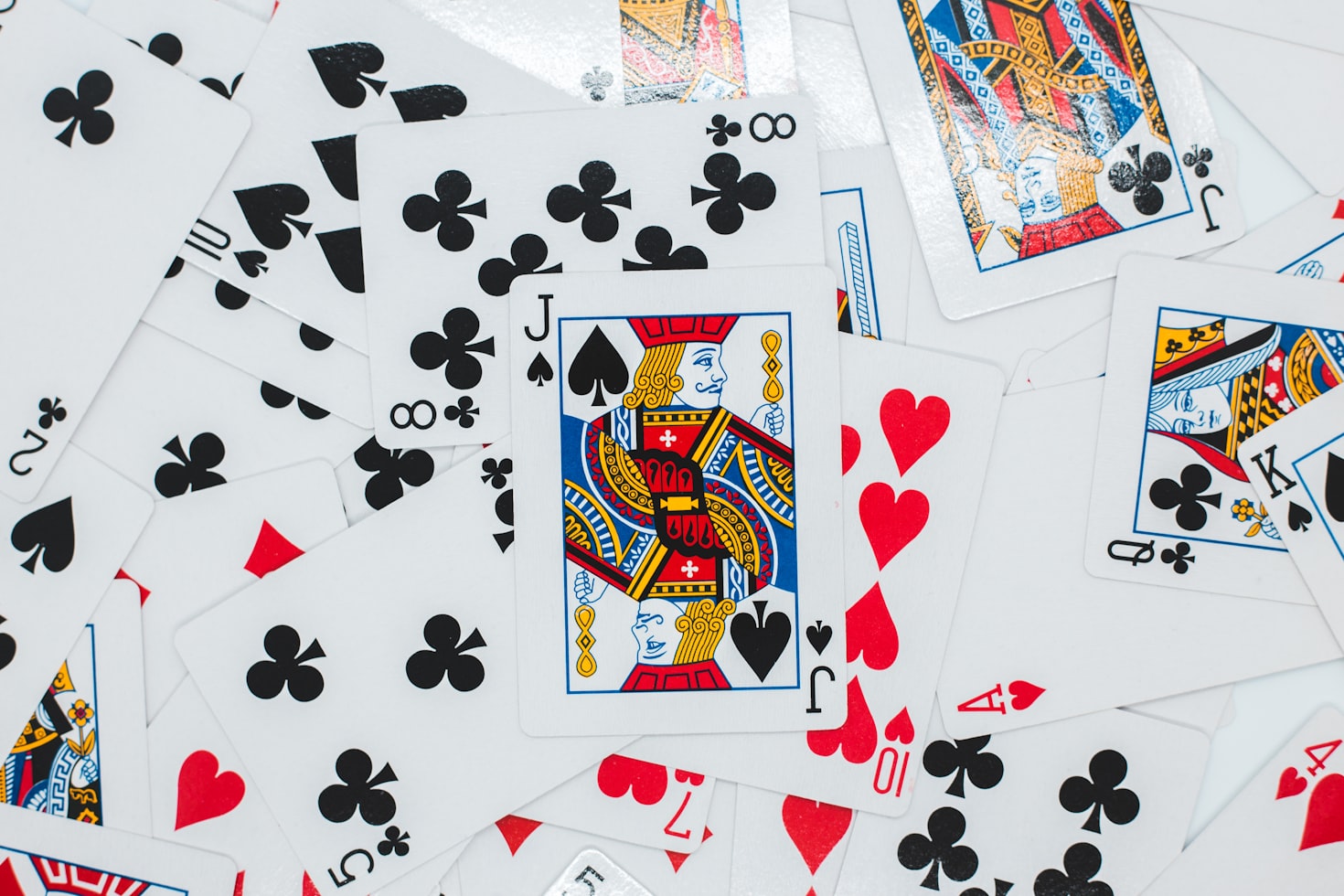
The allure of gambling often stems from the excitement and thrill it offers, alongside the potential for financial gain. However, the reality is that the vast majority of gamblers lose money over time, which can lead to a cycle of chasing losses and increased betting. This cycle can severely impact the mental health of individuals, leading to feelings of guilt, shame, and anxiety.
Signs of Gambling Addiction
Recognizing the signs of gambling addiction is vital for early intervention. Common indicators include preoccupation with gambling, needing to gamble with increasing amounts of money, and unsuccessful attempts to cut back or control the behavior. Individuals may also experience withdrawal symptoms, such as irritability or restlessness, when not gambling.
Other warning signs include using gambling as a means to escape from stress or emotional pain, lying about gambling habits, and engaging in illegal activities to fund gambling. If you or someone you know exhibits these signs, it is important to seek professional help as soon as possible to address the issue effectively.
Risks Associated with Gambling Addiction
The risks of gambling addiction extend beyond financial loss. Individuals can experience severe emotional distress, leading to anxiety, depression, and social isolation. The stress of maintaining a gambling habit can strain relationships with family and friends, often resulting in feelings of betrayal and hurt.
Moreover, gambling addiction can result in severe legal and financial repercussions. Many individuals accumulate significant debts due to their gambling behavior, leading to bankruptcy, criminal activities, and in some cases, imprisonment. The cumulative effects of these risks can create a downward spiral that is difficult to escape without intervention.
Recovery Strategies for Gambling Addiction
Recovery from gambling addiction often begins with acknowledging the problem and seeking help. Treatment options typically include therapy, support groups, and counseling. Cognitive Behavioral Therapy (CBT) is particularly effective, helping individuals identify harmful thought patterns and develop healthier coping strategies.
Support from family and friends plays an essential role in recovery. Joining support groups, such as Gamblers Anonymous, can provide a sense of community and shared experience, which is vital for healing. Additionally, setting strict limits on gambling activities and seeking financial advice can aid in regaining control over one’s life.

Resources and Support
Understanding gambling addiction is the first step toward recovery. Numerous resources are available for individuals seeking help, including hotlines, online forums, and local support groups. Many treatment facilities offer specialized programs designed to address gambling addiction specifically.
By utilizing these resources and fostering open conversations about the challenges of gambling addiction, individuals can find the support they need to overcome their struggles. Empowering oneself with knowledge about the signs, risks, and recovery strategies can lead to a healthier and more fulfilling life.